Bonito and the Pantanal: A Brazilian Nature Itinerary
By Thalita Boffo · 5 min read
Published: Updated:
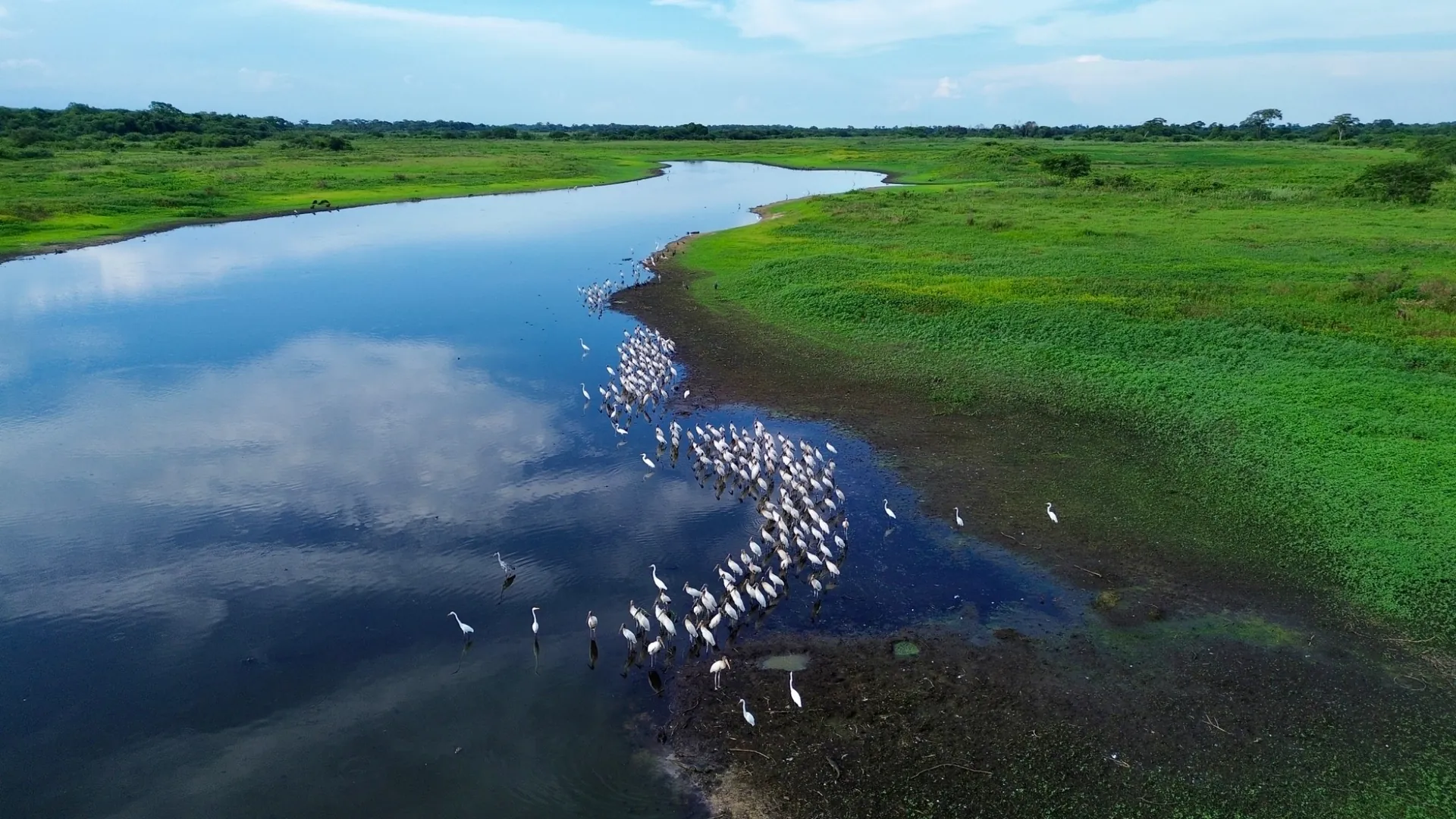
Brazil offers a remarkable range of natural experiences. A combined journey through Bonito and the Pantanal brings together clear-water activities, caves and waterfalls with guided wildlife observation across one of South America’s great wetlands. The two destinations are in the same broad region of Brazil but provide distinctly different ways to experience nature.
Why combine Bonito and the Pantanal?
Bonito is known for clear rivers, freshwater wildlife, caves and waterfall circuits. The Pantanal, by contrast, is a vast floodplain of rivers, grasslands and forested areas where visitors may look for wildlife from boats, vehicles and, on suitable properties, horseback. Together, they create a varied itinerary rather than two versions of the same trip.
For a broader overview of the region, compare this route with the Bonito versus Pantanal guide. Travelers who want to focus on the wetland alone can also explore the Southern Pantanal or Northern Pantanal.
Bonito’s clear-water experiences
The Bonito region is associated with limestone landscapes and freshwater attractions. Typical activities include floating or snorkeling in rivers such as Rio da Prata and Rio Sucuri, visiting the Gruta do Lago Azul and walking through waterfall circuits at local properties. The exact activities, access conditions and daily schedules depend on the attraction and itinerary.
- River snorkeling: Guided floats and snorkeling outings can reveal freshwater fish in clear, gently moving water. Comfort in the water and the rules of each attraction should be considered when choosing an excursion.
- Cave visits: The Gruta do Lago Azul is known for its blue underground lake. Abismo Anhumas is a separate adventure site involving a descent into a cavern and activities on its underground lake; it requires advance planning and suitability for the participant.
- Waterfalls and trails: Several rural properties offer walks, swimming areas and waterfall circuits. Routes and difficulty vary, so check the conditions before booking.
Bonito attractions generally operate with scheduled entry and controlled capacity. Booking through an authorized local operator in advance is therefore important, especially during busy periods. The Rio da Prata and Sucuri snorkeling guide provides more detail on these activities, while the Bonito seasonal guide can help with planning.
Wildlife observation in the Pantanal
After Bonito, the Pantanal offers a contrasting landscape shaped by seasonal changes in water levels. Boat trips, open vehicles and walks can provide opportunities to observe animals in different habitats. Depending on the region, property and season, visitors may encounter capybaras, caimans, tapirs, giant anteaters, giant otters and a wide variety of birds, including the hyacinth macaw and jabiru stork.
Boat outings along rivers and channels are particularly useful for exploring river margins, while vehicle routes and walks cover habitats that boats cannot reach. Horseback outings may be available at some lodges, subject to local conditions and the operator’s safety procedures. A dedicated Pantanal wildlife overview can help set expectations before choosing a route.
Wild animals live freely in their natural habitat, so sightings can never be guaranteed. The itinerary is designed to maximize observation opportunities according to the region, season and number of safari days.
When to plan the combined trip
Seasonal calendars in both destinations are approximate and can vary from year to year. In the Pantanal, rainfall is generally more common from around October to March and conditions are often drier from around April to September, but the timing and intensity differ between the North and South. Local rain does not necessarily coincide with the peak of flooding, and transition periods can affect roads, river levels and wildlife observation.
For Bonito, water clarity and the conditions of individual attractions also vary by site and season. Check the current conditions for the specific region and itinerary rather than treating any month as a universal cutoff. The Pantanal wildlife-safari season guide covers the broader seasonal context; it should be read alongside local operator guidance for the chosen route.
Logistics and suggested duration
Campo Grande is a common gateway for combining Bonito with parts of the Southern Pantanal. Transfers and driving times depend on the lodge, attraction and road conditions, so the route should be confirmed before booking. The transport guide to Bonito from Campo Grande or Cuiabá offers route-planning context.
A comfortable itinerary usually allows several days in Bonito followed by several days at a Pantanal lodge, with the final length adjusted to the selected attractions, transfer time and pace of travel. A stay of about a week or more can create room for both destinations without treating every activity as a rushed stop, but the right duration depends on the traveler’s priorities.
A nature-focused Brazil itinerary
Bonito and the Pantanal work well as a combined route because they showcase different environments: freshwater activities and karst landscapes in one destination, and seasonal wetlands and wildlife observation in the other. Plan each segment around its own operating rules, seasonal conditions and travel time, and use local guidance to confirm what is available.
To discuss a route tailored to your priorities, contact the Pantanal Brazil team.