Night Safari in the Pantanal: Discovering Nocturnal Wildlife
By Jefferson Luiz · 5 min read
Published: Updated:
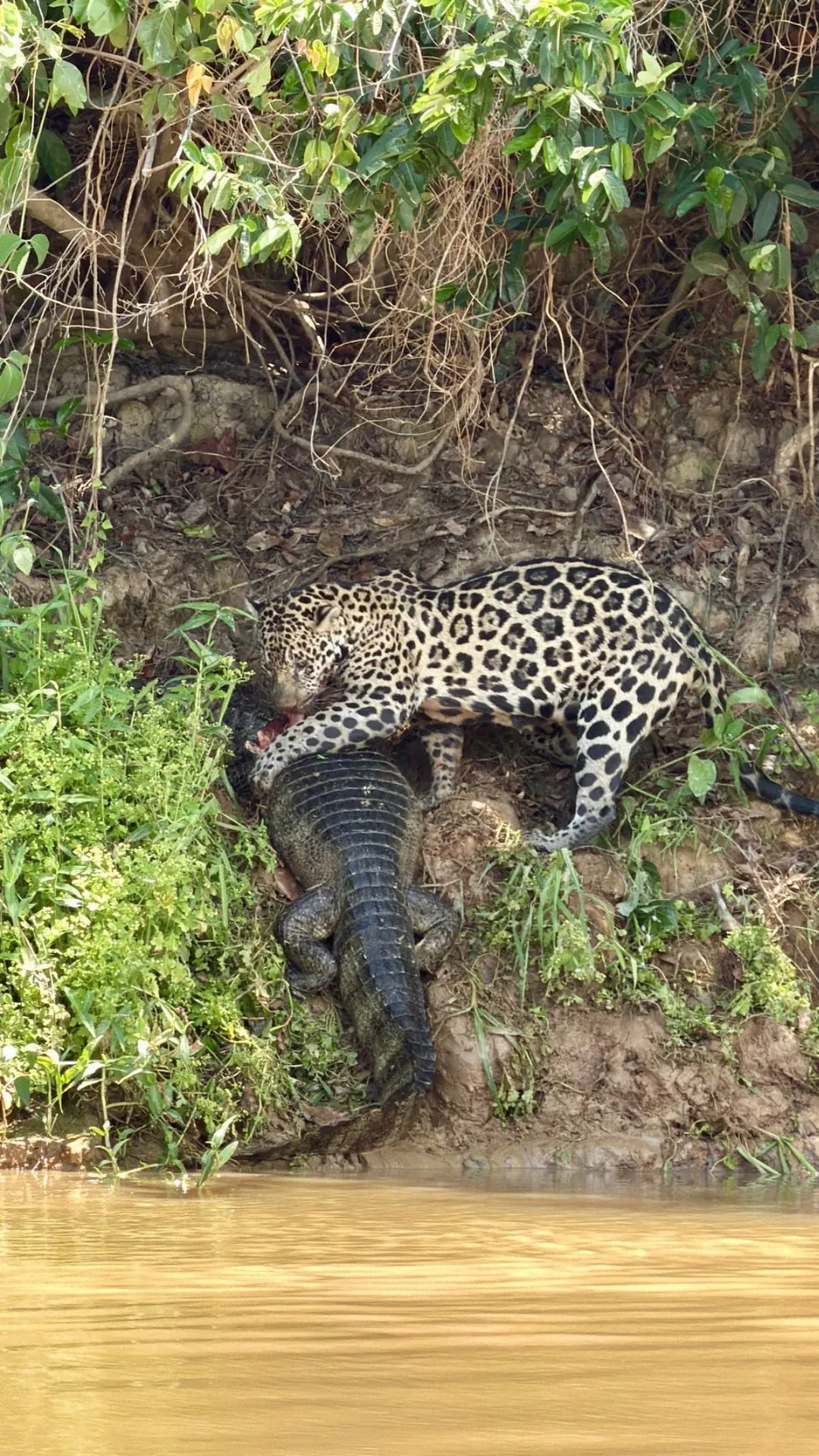
As daylight fades across the Pantanal, the wetland changes character. Bird calls give way to frogs, insects and movement in the vegetation, while animals that are less active during the day may become easier to detect. A night safari offers a different way to experience this diverse ecosystem, but it is a wildlife observation activity rather than a show: conditions and sightings vary from one outing to the next.
The Pantanal at night
After sunset, familiar tracks and waterways become silhouettes, and sound becomes an important part of the experience. A guide may use calls, movement and eye-shine in a beam of light to help identify animals at a respectful distance. The landscape can feel intimate and quiet, whether the outing follows dirt roads in an open vehicle or takes place on a river or lagoon.
The Pantanal is a vast tropical wetland with distinct regional and seasonal conditions. Water levels, access roads and animal activity can change during the year, and the North and South Pantanal do not follow identical calendars. Rainfall also varies from year to year; a local shower does not necessarily correspond to the annual flood peak. Ask about current conditions and the route included in your itinerary before travelling.
Wild animals live freely in their natural habitat, so sightings can never be guaranteed. The itinerary is designed to maximize observation opportunities according to the region, season and number of safari days.
Nocturnal and crepuscular wildlife
A night drive may reveal species that are active after dark as well as animals moving during the cooler hours around sunset and dawn. The exact mix depends on habitat, water levels, weather and the route.
Jaguars and small cats
Jaguars can be active at different times of day, including at night, but a nocturnal outing should not be presented as a guaranteed way to find one. The Pantanal jaguar guide provides broader context about this species and its habitat. Other cats, including ocelots, margays and jaguarundis, are largely associated with forest edges, dense vegetation and other cover. They are elusive, and a brief sighting may be all that is possible.
Anteaters and tapirs
Giant anteaters may forage after dark, using their claws and long snout to reach ants and termites. Tapirs are large herbivores that can move through forest, grassland and wet areas, often near water. Both species are best watched quietly, without blocking their route or approaching them.
Capybaras, caimans and night birds
Capybaras can be active during both day and night and are often associated with riverbanks and ponds. Caimans may be detected from a boat or river edge when their eyes reflect a light. Potoos, owls, frogs and insects add to the nocturnal soundscape; a guide can help distinguish calls and locate animals without unnecessary disturbance. Visitors interested in caimans can also read the guide to caimans in the Pantanal.
What to expect
Night safaris are commonly conducted in open-sided vehicles on roads and tracks, with a guide scanning the surroundings using a spotlight. Some lodges and operators also offer night walks or boat outings. Each format has a different focus: a walk can reveal insects, frogs and other small animals close to the trail, while a boat can provide access to waterways and aquatic habitats.
Lighting should be used carefully. Follow the guide's instructions, avoid directing a beam at an animal's face for longer than necessary, keep noise low and never leave the vehicle or trail unless the guide says it is safe. Viewing practices and access vary by lodge, protected area and route, so confirm the operating details in advance.
Practical tips for a comfortable outing
- Dress in layers: Temperatures may feel cooler after sunset, while humidity and insects can remain noticeable.
- Choose subdued clothing: Neutral, non-reflective clothing is less distracting than bright colors or shiny fabrics.
- Bring binoculars: They can help you observe animals at a distance without asking the guide to move closer.
- Protect yourself from insects: Follow local guidance on repellent and clothing, and check what your lodge supplies.
- Listen to the guide: Local knowledge helps the group read tracks, sounds and habitat while keeping a safe distance from wildlife.
Planning a Pantanal night safari
Night activity can be added to itineraries in different parts of the Pantanal. Compare the North Pantanal and South Pantanal according to the route, access and wildlife habitats you want to explore. If you are combining the wetland with another destination, see the Bonito travel guide for a different style of nature experience.
Before booking, confirm the number of nights, transport, accommodation, departure times, group size and whether night drives, walks or boat trips are included. For itinerary questions or a tailored quotation, contact the Pantanal Brazil team. The right choice depends on the region, season, weather and the number of safari days—not on a promise of a particular animal.