The Complete Guide to Pantanal Eco-Lodges and Accommodations
By Natan Neves · 7 min read
Published: Updated:
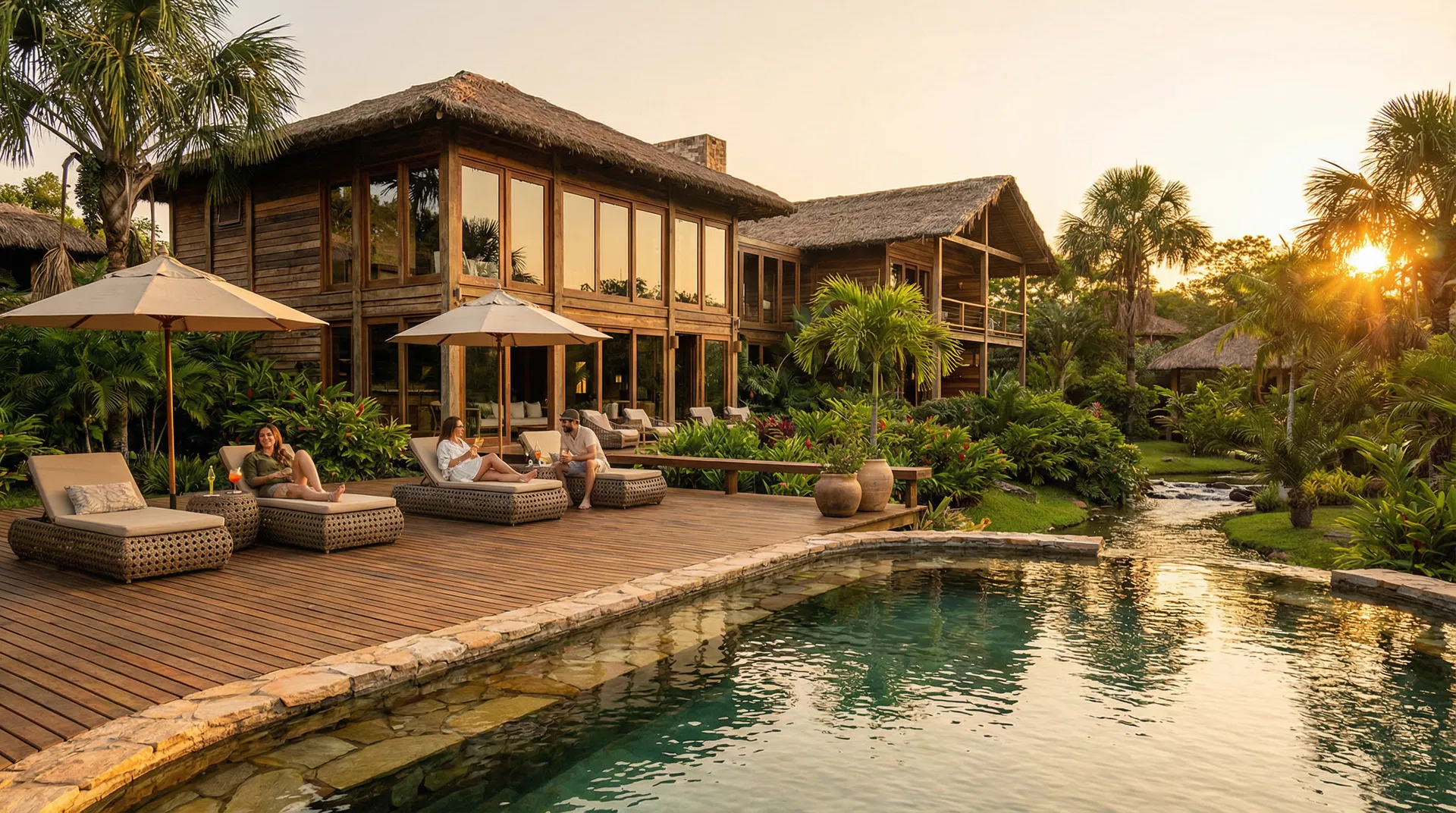
Choosing where to stay is an important part of planning a Pantanal safari. A lodge is not only a place to sleep: it determines which landscapes you can explore, which activities are available and how much time you spend in the field. The right base can also add cultural context, from traditional cattle-ranch life to the waterways of the Pantanal.
The Pantanal is a vast wetland, and accommodation styles vary between the North and South. Before comparing properties, decide whether your priority is birdwatching, land-based wildlife drives, horseback riding, river excursions, a quieter ranch setting or a focused jaguar itinerary. You can also compare the region with a North Pantanal safari or a South Pantanal itinerary to understand how location affects the experience.
Understanding Pantanal accommodation options
Fazendas: ranch life and a local perspective
Many Pantanal lodges operate from former or working fazendas, the traditional cattle ranches that helped shape the region's culture. These properties commonly combine simple, comfortable rooms with shared meals and guided outings. A stay at a fazenda can offer an introduction to the work and traditions of the pantaneiro, the people who live and work in the wetland.
Ranch-based programs may include horseback rides, 4x4 drives, walking trails and boat trips, although the exact schedule depends on the property, water levels and season. Open grounds can be useful for observing birds and other wildlife close to camp, but no lodge can control which animals appear. If birdlife is a priority, use the hyacinth macaw guide as a starting point and confirm the activities offered by the lodge you are considering.
A fazenda stay combines accommodation with a sense of place: the landscape, ranch routines and local knowledge become part of the safari.
Eco-lodges: comfort alongside environmental responsibility
Eco-lodge is a broad term, so ask what it means at each property rather than assuming that every lodge follows the same practices. Useful questions include how the lodge manages water and waste, whether energy use is monitored, how food is sourced and whether conservation or community initiatives are clearly described. A lodge may also contribute through environmental education, guided nature walks or support for local projects.
Properties associated with conservation initiatives can help guests understand the Pantanal's habitats and species. For example, some lodges in the North Pantanal are known for bird-focused activities and observation towers. The availability of towers, trails, canoeing, horseback riding and lectures varies, so confirm the current program and accessibility before booking.
River-based stays and floating hotels
Floating hotels and river lodges provide a different way to experience the wetland. They can place guests close to aquatic habitats where caimans, waterbirds and giant otters may be observed. Some river-based programs in the Porto Jofre area are designed around boat excursions and jaguar observation, while others offer a broader mix of activities.
River conditions, boat schedules and access routes change with the season. A floating stay is therefore best selected as part of a complete itinerary rather than in isolation. Read the Pantanal jaguar guide if jaguars are your main interest, and check whether the accommodation includes transfers, boat outings, meals and a guide or sells them separately.
Accommodation styles and the experiences they support
Araras Eco Lodge and North Pantanal birdwatching
Araras Eco Lodge is located in the Northern Pantanal and is associated with birdwatching, trails and observation structures. The original guide highlights opportunities to look for hyacinth macaws, toucans and jabiru storks, as well as activities such as horseback riding, canoeing and guided walks. Treat these as examples of the type of program available, not as a promise of a particular sighting or daily schedule; confirm current operations directly when planning.
SouthWild Jaguar Flotel and river safaris
The SouthWild Jaguar Flotel is a river-based option in the Porto Jofre region, where boat outings are an important part of jaguar-focused itineraries. The original article also mentions giant otters, capybaras and other river wildlife. Guides and boat crews can help guests search efficiently, but wild animals move freely and conditions can change.
Wild animals live freely in their natural habitat, so sightings can never be guaranteed. The itinerary is designed to maximize observation opportunities according to the region, season and number of safari days.
Fazenda Barranco Alto and a Southern Pantanal setting
Fazenda Barranco Alto is presented in the original guide as a family-run cattle ranch in the Southern Pantanal. Its listed style of activities includes horseback riding, 4x4 outings and boat trips. This kind of property may suit travelers who want a ranch-based experience and a varied program rather than a stay focused on one species. Ask about current excursions, room arrangements and transfer logistics before making a decision.
How to choose the right Pantanal lodge
- Start with location. Northern and Southern Pantanal itineraries differ in access, landscapes and activities. Porto Jofre is especially relevant to river-based jaguar programs, while other areas may be better suited to a combination of ranch activities, trails and birdwatching.
- Match activities to your priorities. Check whether the program includes boat trips, 4x4 drives, walking trails, horseback riding, canoeing, fishing or photography support. Ask which activities are included and which require an additional fee.
- Check what the rate covers. Many lodges sell packages that combine rooms, meals, transfers and guided outings, but inclusions differ. Compare the number of safari outings, transfer points, guide arrangements and meal plan rather than comparing room prices alone.
- Consider comfort and accessibility. Ask about room type, electricity, internet, air conditioning, mosquito protection, bathroom facilities, walking distances and accessibility needs. Conditions can be more rustic in remote areas.
- Evaluate the guide and group format. Ask whether outings are private or shared, how many guests travel in each vehicle or boat and which languages are supported. A smaller group may be useful for wildlife observation and photography, but availability and cost vary.
- Review the season for your specific region. The Pantanal's wet and dry periods are approximate, vary from year to year and are not identical in the North and South. Rainfall in one location does not automatically indicate the timing or height of flooding elsewhere. Transitions can affect roads, river levels and wildlife observation. The broadly used pattern is wetter conditions around October to March and a generally drier period around April to September, but travelers should confirm regional conditions and the planned route before departure. The guide to visiting the Pantanal provides broader planning context.
Planning a lodge-based safari
Remote accommodation often requires careful transfers from an airport or gateway city. Depending on the itinerary, access may involve road travel from Cuiabá or Campo Grande, a transfer along a rural route, or a connection to Porto Jofre for a river program. Confirm arrival times, luggage limits, transfer duration and what happens if weather or road conditions delay a connection.
For travelers combining destinations, a stay in the Pantanal can be paired with time in Bonito, where river-based nature activities follow a different format. The two destinations should be planned as complementary experiences rather than treated as interchangeable. If you already know your preferred region and travel dates, use the contact page to request an itinerary and verify current lodge availability and inclusions.
Final checklist
Before booking, write down your main wildlife and comfort priorities, the region you want to visit and the activities you consider essential. Then ask each lodge or operator for a current itinerary, inclusions, transfer plan and seasonal guidance. This approach makes it easier to compare a fazenda, an eco-lodge and a river-based stay on the elements that will actually shape your time in the Pantanal.