The Pantanal Food Experience: Regional Cuisine on Safari
By Thalita Boffo · 5 min read
Published: Updated:
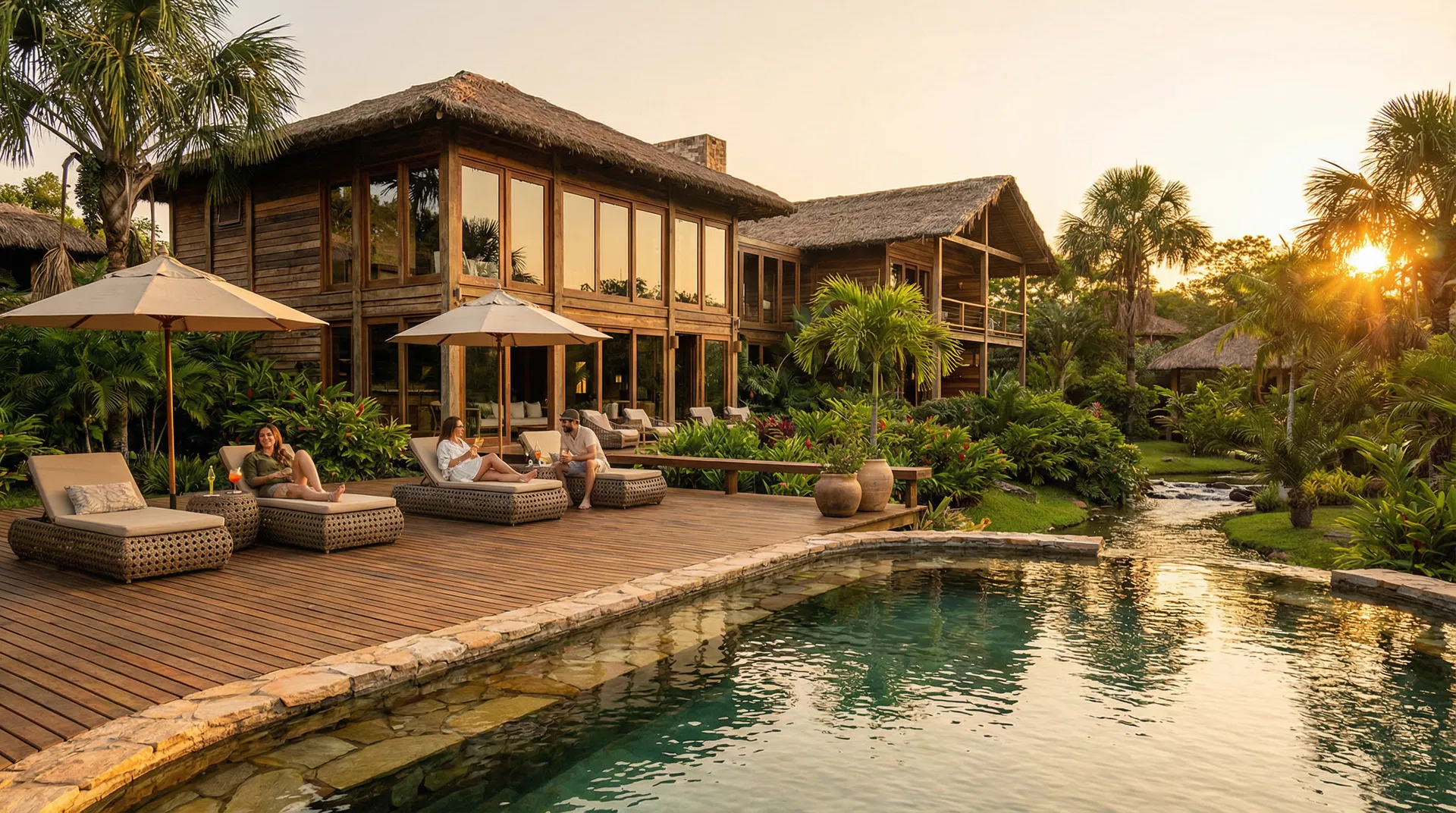
A safari in the Pantanal can introduce travelers to more than wetlands and wildlife. Meals served at lodges and on excursions may also reflect the region's ingredients, traditions and rural way of life. Regional dishes often combine freshwater fish, beef, rice, beans, cassava and seasonal fruits. Availability and preparation vary between lodges and communities, so ask your guide or host what is being served and where the ingredients come from.
A taste of the wetlands: fish and stews
Freshwater fish are an important part of cooking in many Pantanal communities. One preparation visitors may encounter is piranha soup, a broth made from the fish and seasoned according to the cook's local recipe. Caldo de piranha is another name used for a richer piranha broth. It is sometimes presented as a traditional comfort food, but recipes and serving practices differ.
Grilled pacu is another preparation associated with the region. The fish may be cooked whole or in portions over a fire, depending on the kitchen and the catch available. Other menus can include fish stews, such as moqueca de peixe, or breaded fish fillets. Ask about the source of fish and follow local rules, particularly when fishing is part of the itinerary.
The food in the Pantanal reflects broader Brazilian cuisine with a regional twist. Rice and beans are common companions, while local ingredients and preparations give each kitchen its own character.
The pantaneiro table: meat, rice and beans
Cattle ranching has shaped food traditions across parts of the Pantanal. Carne de sol, a salted and dried beef preparation, may be served with arroz carreteiro, rice cooked with dried meat, onions and garlic. The dish is associated with the meals of cattle drivers who traveled across the plains.
Grilled beef, including picanha, and slow-cooked stews may also appear on lodge or ranch menus. Feijoada, the Brazilian black-bean stew made with pork and sausage, is another dish travelers may encounter, although menus and recipes vary by establishment and day of service.
From the earth: cassava and regional fruit
Cassava, also called manioc, is a versatile staple. It can be served as flour or a side dish and used in preparations such as pirão. Cassava-based foods may accompany fish, meat and beans, while pão de queijo is a familiar Brazilian snack made with cheese and starch.
Depending on the season and location, regional markets or menus may feature fruits such as pequi, guavira, bocaiuva or jaboticaba. Pequi has a strong flavor and is used in some rice dishes and stews. Guavira can be used in juices, desserts or preserves. Local availability is seasonal, and not every lodge or route offers the same ingredients.
Practical tips for a culinary stop
Ask about the menu: Guides and lodge staff can explain the ingredients, preparation and regional background of a dish.
Check dietary needs in advance: Tell the operator about allergies, restrictions or preferences before travel so the lodge can assess what it can provide.
Visit markets only through an appropriate route: If a market visit is included, follow local guidance and ask before photographing people, stalls or producers.
Try local drinks responsibly: A caipirinha is a Brazilian cocktail made with cachaça, sugar and lime. Non-alcoholic options should be requested if needed.
Food is one part of a broader Pantanal wildlife experience. Travelers choosing a route should also consider whether they want boat excursions, land drives, fishing or time in a particular region. The Northern Pantanal and Southern Pantanal differ in access, landscapes and operating conditions, so a menu described in one area should not be assumed to be available everywhere.
Fishing and the Pantanal rivers
Some itineraries include guided fishing as well as wildlife observation. Depending on the region, season, regulations and operator, anglers may look for fish such as dourado, pintado, cachara or pacu. The experience can focus on time on the river, local knowledge and responsible handling rather than a guaranteed catch. Confirm whether equipment, licenses, boat transport and meals are included, and ask about current catch-and-release or other local rules.
When fishing is included, a lodge may prepare an eligible catch for a meal, but this depends on local regulations, the itinerary and the operator's policy. Travelers interested primarily in fishing should request a current fishing-focused program rather than assuming that every wildlife safari includes the same activity. For broader planning, compare the Pantanal Discovery package with the available itinerary options and contact the team for current details.
Planning a food-focused Pantanal experience
A regional meal can add cultural context to a safari, but food experiences differ between lodges, ranches, boats and communities. Before booking, ask about the route, accommodation, meal plan, dietary support, fishing arrangements and the region visited. The seasonal guide can help frame planning, but calendars are approximate, vary between the North and South and change from year to year. Rainfall, river levels, road conditions and the flood pulse can affect access and activities, so confirm current regional conditions.
Wild animals live freely in their natural habitat, so sightings can never be guaranteed. The itinerary is designed to maximize observation opportunities according to the region, season and number of safari days.