Pantanal Safari with Kids: Family-Friendly Wildlife Adventures
By Thalita Boffo · 6 min read
Published: Updated:
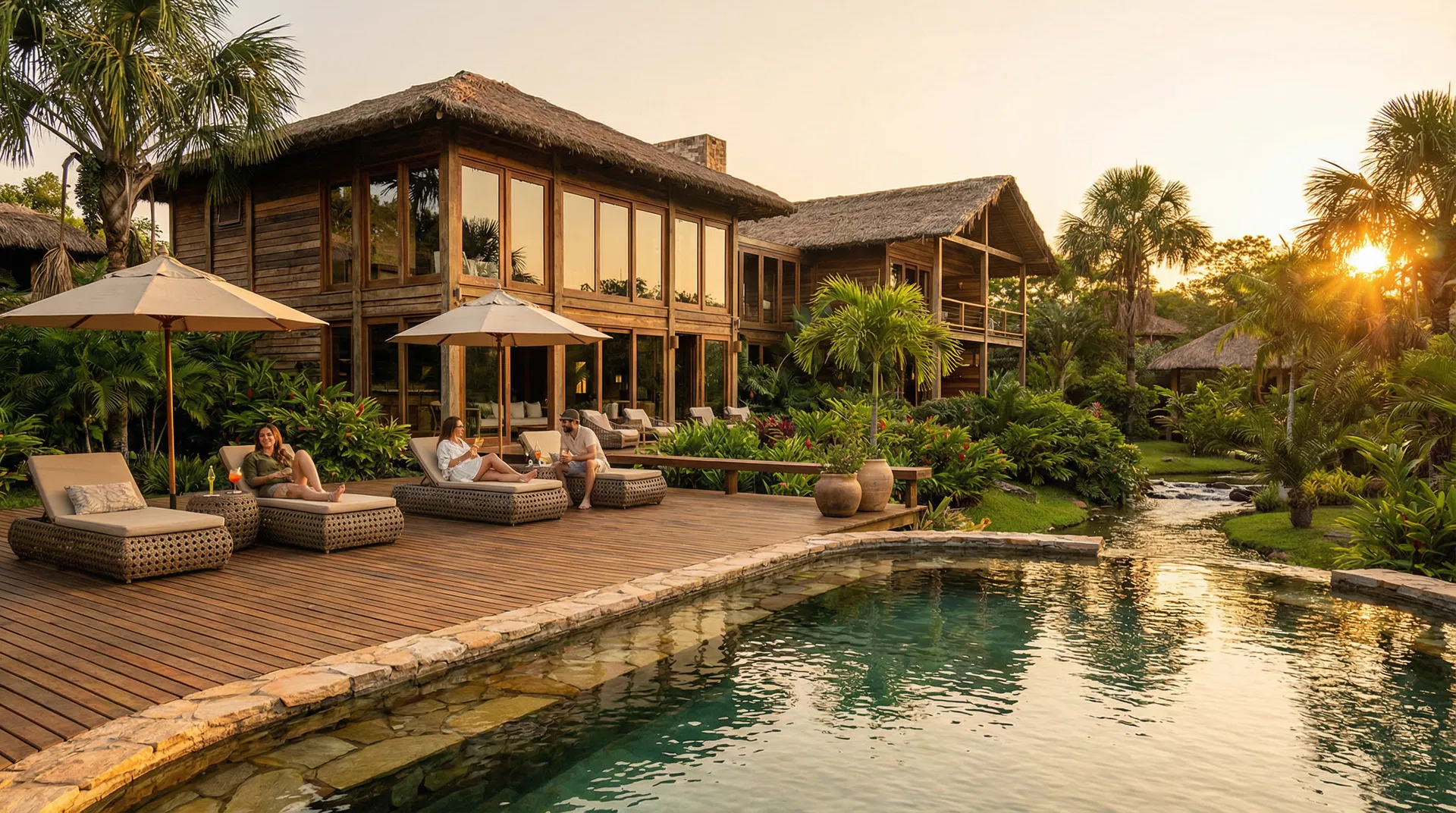
A family safari in the Brazilian Pantanal combines outdoor discovery, wildlife observation and practical learning. Children can see wetlands, rivers and open landscapes while guides explain how animals and habitats are connected. The experience works best when the itinerary, accommodation and activity length are matched to the children's ages and interests.
Why choose the Pantanal for a family safari?
The Pantanal offers varied ways to explore a wetland environment, including boat outings, vehicle safaris, short walks and time at a lodge. The changing landscape can make the trip engaging for children, while a guide can turn observations of capybaras, caimans and birds into lessons about food webs, water and conservation. For an introduction to the region's wildlife, see our Pantanal wildlife guide.
A family trip can also be educational without becoming a classroom. Children may keep a nature journal, draw animals they observe, learn local names in Portuguese and ask guides why the same species uses different habitats during the year.
Choose the region and itinerary carefully
The North and South Pantanal offer different travel profiles. The Northern Pantanal, reached through the Porto Jofre area on some itineraries, is particularly associated with river-based wildlife observation and jaguar-focused trips. The Southern Pantanal can combine a broader range of activities and may suit families looking for a varied first visit. The right choice depends on access, the number of safari days, the season, the lodge and the children's tolerance for transfers and early departures.
Ask the operator how long each transfer and excursion lasts, whether life jackets and child-sized equipment are available, and how the daily schedule can be adjusted. Some activities may have minimum ages or depend on water levels, weather and local operating conditions.
When to go with children
Seasonal calendars in the Pantanal are approximate and vary from year to year and between the North and South. Rainfall commonly occurs from October to March, while April to September is generally drier, but there is no universal fixed start or end date. Local rain does not necessarily coincide with the peak of flooding, and transition periods can affect roads, river levels and wildlife observation.
In many itineraries, drier conditions can make some roads easier to use and may concentrate animals near remaining water, while wetter months bring greener scenery and different water-based conditions. These are general patterns rather than guarantees. Check current conditions for the specific region and itinerary before booking. For background on the flood and dry cycles, consult the SOS Pantanal overview of flood and dry seasons and the Embrapa explanation of Pantanal flood dynamics.
Wild animals live freely in their natural habitat, so sightings can never be guaranteed. The itinerary is designed to maximize observation opportunities according to the region, season and number of safari days.
Family-friendly activities
Boat and vehicle safaris
Boat trips can offer a quiet way to observe caimans, giant otters and wading birds, subject to local conditions and the operator's safety rules. Open vehicles cover more ground and may be used to search for a wider range of species. The jaguar guide explains why this animal is a major focus for some Northern Pantanal itineraries, without promising an encounter.
Fishing, walks and horseback riding
Piranha fishing can be an interactive activity for older children when offered and supervised by the lodge or guide. Short nature walks can help younger visitors notice plants, insects and tracks without demanding a long hike. Horseback riding is offered by some lodges and may be suitable for children and beginners only when the operator confirms the horse, route and age requirements.
Night outings
A night safari can introduce children to nocturnal sounds and species such as owls, tapirs or ocelots. Because darkness, heat and excursion length can be tiring, ask whether the outing can be shortened or skipped according to the child's age and energy.
Activities by age and attention span
There is no single ideal program for every child, but families can use age and attention span as planning guides:
- Younger children: choose shorter outings, boat trips when appropriate, simple wildlife checklists and regular rest periods.
- Older children and teenagers: consider longer vehicle outings, supervised fishing, horseback riding or a night excursion when the operator confirms that the activity is appropriate.
- All ages: build in time at the lodge for swimming where available, reading, games, drawing and recovering from early departures.
What to pack
- Lightweight, long-sleeved shirts and trousers for sun and insect protection.
- Comfortable, closed walking shoes, plus footwear suitable for the specific lodge or boat.
- A wide-brimmed hat, sunglasses, sunscreen and child-appropriate insect repellent.
- Binoculars that children can handle and a camera or phone protected from water and dust.
- Personal medicines, a basic first-aid kit and any required health documents.
- A refillable water bottle, a small day bag, books, games or a nature journal for downtime.
Confirm equipment, laundry, electricity, connectivity and luggage limits with the lodge before departure. Packing requirements vary by route and by the transport used to reach the property.
Safety and comfort for children
A safari requires families to follow the operator's guidance at all times. Stay with the guide, keep a safe distance from wildlife, remain on designated paths or inside the vehicle when instructed, and supervise children near water, boats, horses and lodge facilities. Sun protection, hydration, insect precautions and appropriate clothing are important throughout the day.
Tell the guide about allergies, medicines, mobility needs, sleep schedules and dietary restrictions before an outing. A reputable operator can explain the route's conditions and whether the pace or duration can be adjusted. Exact safety procedures, age limits and medical support differ by lodge and itinerary.
We visited the Southern Pantanal for three days and three nights when our children were 11, 8 and 5. Our family felt welcomed, and the lodge and tours were accessible to us. This is one family's account, not a guarantee that every lodge or itinerary will offer the same experience.
Make the trip meaningful
Before leaving home, invite children to learn about the animals they may encounter and create a checklist based on observation rather than collection. During the safari, encourage questions about habitat and conservation, but never ask a guide to approach or disturb an animal for a better view. Responsible observation helps protect the place that makes the experience possible.
Families interested in a specific species can begin with the hyacinth macaw guide and compare the activities offered by the selected route. If you need help matching a family itinerary to your dates and children's ages, contact the Pantanal Brazil team for route-specific information.
Plan a family Pantanal safari
The most successful family safaris balance wildlife outings with rest, flexible expectations and clear safety routines. Choose the region and lodge carefully, verify current seasonal conditions, and allow the guide to adapt the day to the environment and the family. A Pantanal journey can then become both an adventure and a practical introduction to wetlands, wildlife and conservation.