Pantanal Safari for Solo Travelers: A Complete Guide
By Thalita Boffo · 5 min read
Published: Updated:
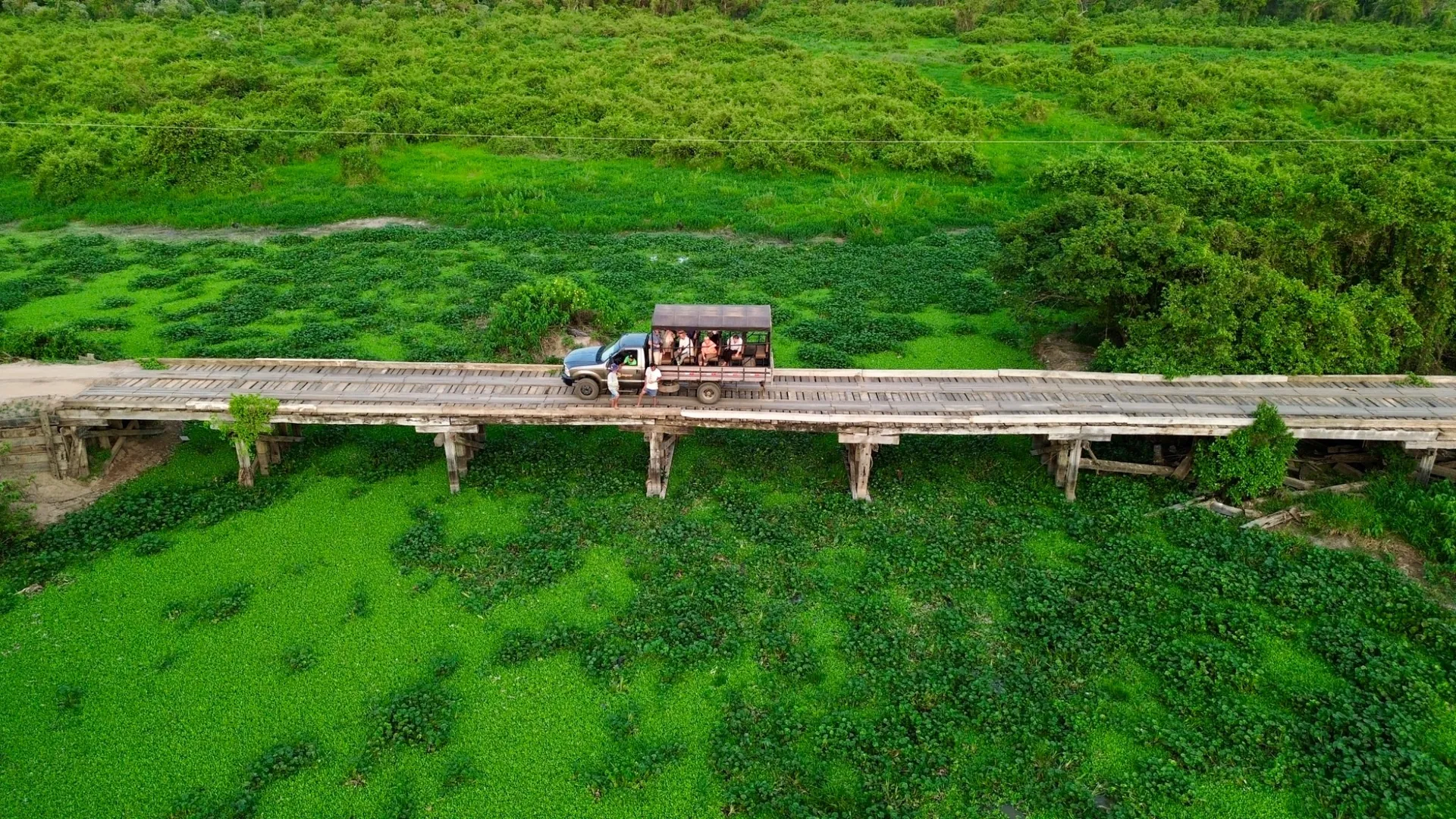
The Ultimate Solo Adventure in Brazil's Wetlands
Embarking on a solo journey into the Pantanal is an opportunity to explore one of Brazil's most important wetland landscapes at a deliberate pace. The region offers rich wildlife viewing, varied landscapes and safari experiences that can suit travelers who prefer small groups, photography or time in nature. This guide covers practical considerations for planning a solo Pantanal safari, from safety and tour options to gateways, seasonal conditions and what to expect on wildlife excursions.
Why the Pantanal Works Well for Solo Travelers
Traveling alone does not mean traveling in isolation. Many lodges and tour operators accommodate solo guests through single rooms when available and small-group excursions. Shared activities can make it easier to meet other travelers while still leaving time for quiet observation and personal interests.
A solo itinerary can also be tailored to your priorities. You may want to spend more time on boat excursions, focus on bird photography or combine different activities at a lodge. The right arrangement depends on the region, season, accommodation and number of safari days. Explore the Northern Pantanal and Southern Pantanal options before choosing a route.
Is the Pantanal Safe for Solo Travelers?
The Pantanal is remote and travel is usually organized around lodges, local transfers and guided activities. For a solo trip, booking with a reputable operator and following the guide's instructions are important practical precautions, particularly during boat trips, walks and vehicle excursions. Ask in advance how transfers, communications, emergency procedures and single-room arrangements are handled.
Basic travel precautions still apply. Consider comprehensive travel insurance that covers the activities on your itinerary and medical evacuation where appropriate. Pack essential medication, share your schedule with someone at home and check current travel and health guidance before departure.
Choosing the Right Pantanal Safari
Compare itineraries by accommodation, group size, activities, transfer arrangements and what is included rather than by headline price alone. A quote may vary with travel dates, room type, transport, guide services, meals and the number of excursions. Common formats include:
- Economic or hostel-based stays: Shared rooms, simpler accommodation and basic tours may suit travelers prioritizing budget and social contact.
- Standard fazenda stays: Private rooms, full board and guided activities can provide a balanced level of comfort.
- Luxury eco-lodges: Higher-comfort accommodation and more personalized safari arrangements may be available depending on the property.
- Jaguar-focused safaris: Specialized itineraries may use speedboats and concentrate on river-based wildlife observation, especially in suitable areas of the Northern Pantanal.
Availability and inclusions vary by date, accommodation and itinerary. Review the Pantanal safari packages and contact the team for a tailored quote before booking.
What to Expect on a Solo Pantanal Adventure
A safari day often begins early, when temperatures are cooler and conditions may be favorable for wildlife activity. Depending on the lodge and route, a morning excursion may take place by boat, vehicle or on foot. After lunch and a rest period, an afternoon activity may be followed by dinner and, where offered, a night excursion for observing nocturnal wildlife.
The Pantanal supports a remarkable range of wildlife. Depending on the area, season and activity, you may look for:
- Jaguars: A major attraction for many visitors, particularly on river-based safaris in parts of the Northern Pantanal. Learn more in the Pantanal jaguar guide.
- Capybaras: Large semi-aquatic rodents often associated with riverbanks and wetlands.
- Giant otters: Social aquatic mammals that may be observed around suitable waterways.
- Caimans: Commonly seen in the region's rivers, channels and lagoons.
- Birdlife: The wetlands support diverse birdlife, including hyacinth macaws, toucans and jabiru storks. The hyacinth macaw guide offers more species-specific context.
Wild animals live freely in their natural habitat, so sightings can never be guaranteed. The itinerary is designed to maximize observation opportunities according to the region, season and number of safari days.
Seasonal Conditions and Timing
Seasonal calendars in the Pantanal are approximate and can vary from year to year and between the Northern and Southern Pantanal. Rainfall is generally more common from around October to March, while conditions are often drier from around April to September, but these are not fixed boundaries. Local rainfall does not necessarily coincide with the peak of flooding, and transition periods can affect roads, river levels and wildlife observation.
For a solo trip, ask the operator about current conditions in the specific region and the planned itinerary. The best-time planning guide can help with general preparation, while a jaguar-focused route may involve different seasonal priorities. Conditions in the south can also follow a different hydrological rhythm from the north. For background on the flood pulse and seasonal variability, consult SOS Pantanal's overview of flood and dry periods and Embrapa's explanation of real-time flood dynamics.
Practical Tips for Your Solo Trip
- Choose the gateway carefully: Cuiabá is commonly used for routes into the Northern Pantanal, while Campo Grande can be useful for Southern Pantanal itineraries. Confirm transfer times and road conditions with the operator.
- Pack for changing conditions: Lightweight, breathable and neutral-colored clothing, closed shoes, insect repellent, sunscreen, a hat and binoculars are useful starting points. A camera and suitable zoom lens may help with distant wildlife.
- Plan communications: Remote areas may have limited connectivity. Confirm how the lodge and transfer team handle communications before leaving the gateway.
- Respect wildlife: Remain with the guide, keep a safe distance, avoid feeding animals and follow local instructions during every excursion.
- Allow flexibility: Weather, water levels, road conditions and wildlife activity can change the day's plan. A flexible schedule is especially valuable on a solo trip.
Plan Your Solo Pantanal Safari
A solo safari can combine independence with the support of experienced local guides and lodge staff. Compare the Northern and Southern Pantanal, match the itinerary to your interests and confirm seasonal conditions before you travel. With realistic expectations and responsible wildlife-viewing practices, the journey can be both comfortable and deeply rewarding.