A Rider's Guide to a Horseback Safari in the Southern Pantanal
By Thalita Boffo · 5 min read
Published: Updated:
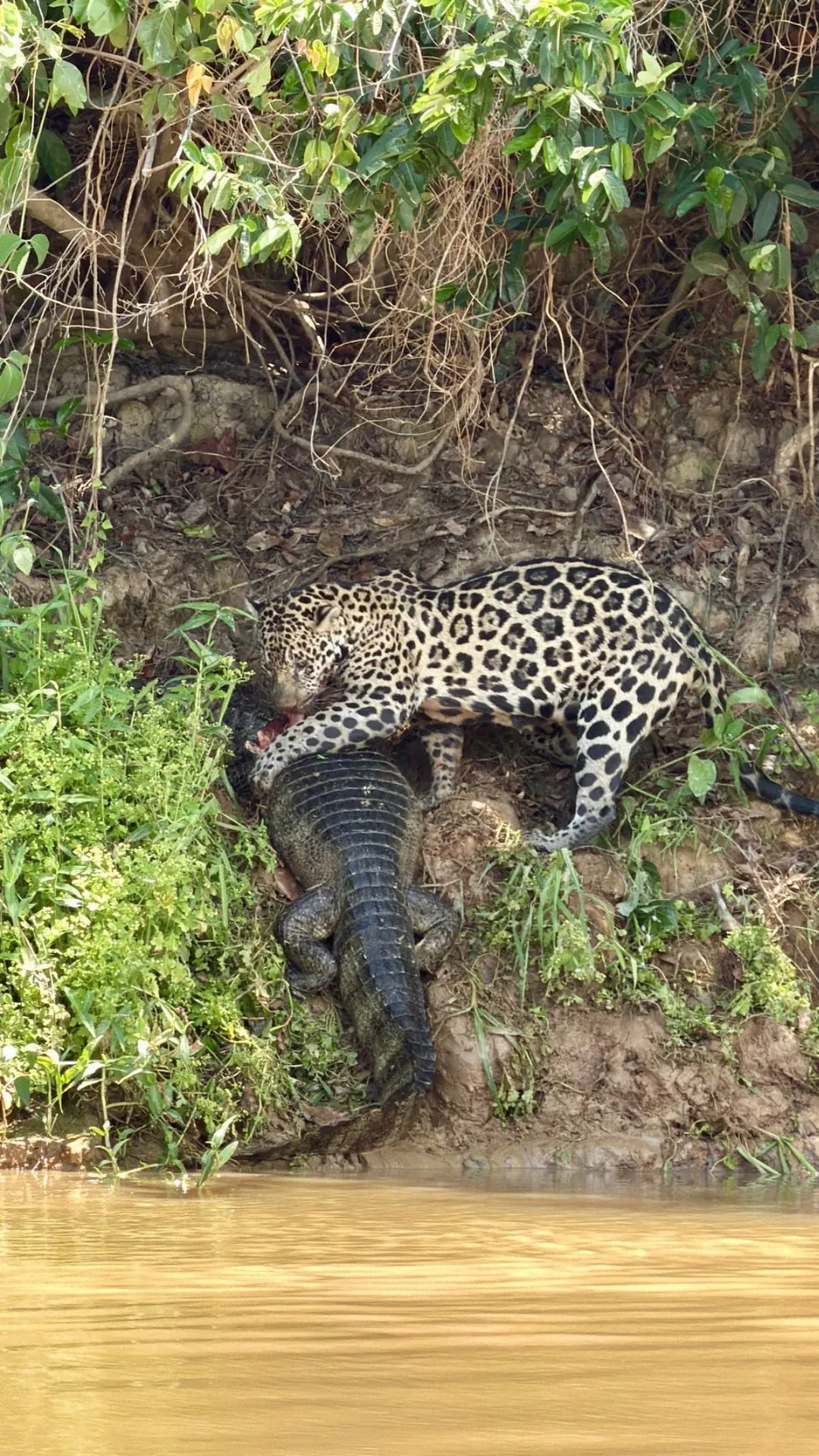
A horseback safari in the Southern Pantanal offers an immersive way to experience a vast wetland of grasslands, forests, waterways and working ranches. Riding with local Pantaneiro guides can connect the journey with the region's ranching culture while giving you an elevated view across open landscapes. Conditions and wildlife activity vary, so the experience is best approached as an active nature journey rather than a fixed wildlife show.
Why explore the Pantanal on horseback?
Horses are part of everyday life on many Pantanal ranches. A ride can combine wildlife observation with the practical rhythms of a fazenda, or ranch, and may reach areas that are difficult to access by vehicle. The pace is also well suited to pausing, listening and scanning the vegetation and water edges.
- Local knowledge: Pantaneiro guides bring knowledge of ranch routes, water levels, weather and animal signs. They can also provide context about local traditions and the landscape.
- An elevated viewpoint: From the saddle, riders can look across grassland and wetland habitats while keeping a respectful distance from wildlife.
- A varied itinerary: Depending on the ranch and season, a horseback program may be combined with walks, boat outings or nighttime observation activities.
Horseback riding is not automatically easier than a vehicle safari. Trails can be uneven, hot or wet, and some rides are active working-ranch experiences rather than gentle nose-to-tail trail rides. Ask the operator about riding hours, terrain, horse handling, support vehicles and the fitness level required before booking.
What a Southern Pantanal riding itinerary may include
The original itinerary described a multi-day expedition of around eight days, with approximately six hours in the saddle on riding days. Treat those figures as an example rather than a standard: the duration, daily riding time and activities depend on the property, route, weather, water levels and group profile. Accommodation may be in traditional fazendas, with meals and activities arranged according to the selected program.
A day may include a morning or afternoon ride, time with the ranch team and pauses to observe the landscape. Some programs also offer cattle-work demonstrations or opportunities to learn about lasso techniques, but these activities are not universal. A nighttime spotlighting outing, a canoe trip at sunset or a guided walk may be available as an additional activity; confirm exactly what is included in the itinerary.
For a broader overview of the region, compare the logistics and habitats described in the Southern Pantanal guide. Travelers combining destinations can also review Bonito before deciding how to divide time between river-based activities and a ranch-based safari.
Wildlife you may encounter
The Southern Pantanal supports a wide range of wildlife, including capybaras, caimans, giant anteaters, giant otters and many birds. Hyacinth macaws, toucans and jabiru storks are among the species associated with the region. The open terrain can make animals easier to scan for, but visibility changes with vegetation, water, weather, time of day and the animal's own movements.
A horseback safari may complement, rather than replace, other wildlife activities. If jaguars are a priority, read the Pantanal jaguar guide and consider whether a dedicated jaguar safari package better matches your goals and available time. A ride may pass through suitable habitat, but it should never be presented as a guaranteed jaguar encounter.
Wild animals live freely in their natural habitat, so sightings can never be guaranteed. The itinerary is designed to maximize observation opportunities according to the region, season and number of safari days.
Seasons and riding conditions
Seasonal descriptions for the Pantanal are approximate and vary from year to year and between the North and South. In broad terms, rainfall is often concentrated from around October to March, while April to September is generally drier, but there is no universal fixed date for the beginning or end of either period. Local rain does not necessarily coincide with the peak of flooding, and the Southern Pantanal can experience different hydrological timing from northern areas.
Transitions can affect roads, river levels, trails, insect activity and wildlife observation. The wet season can produce lush scenery and water-based landscapes, while drier conditions may make some routes more accessible and concentrate animals around remaining water. Check current conditions and the specific itinerary for the region before travel. The best-time guide for Pantanal safaris can help with general planning, but it should not replace local advice for a particular ranch.
What to pack and how to prepare
- Wear lightweight, long-sleeved shirts and trousers for sun and insect protection.
- Bring a wide-brimmed hat, sunglasses, sunscreen and strong insect repellent.
- Carry binoculars and protect cameras and phones from rain, dust and splashes.
- Choose closed, comfortable footwear suitable for stirrups and changing ground conditions.
- Tell the operator about your riding experience, fitness level, medical needs and any mobility concerns before arrival.
Intermediate and experienced riders may be comfortable with longer days, but every itinerary has its own demands. Ask whether helmets are supplied or required, how horses are matched to riders, what happens during severe weather and whether a non-riding alternative is available. For a general equipment checklist, see what to pack for a Pantanal safari.
Planning a responsible ride
Choose an operator that explains group size, animal welfare practices, guide qualifications, emergency procedures and the boundaries for approaching wildlife. Do not feed or handle wild animals, and follow instructions about staying on established routes. Responsible travel also means respecting ranch staff, local communities and the limits imposed by weather or water conditions.
A horseback safari can be a memorable way to experience the Southern Pantanal because it combines movement, landscape and local knowledge. To confirm availability, riding requirements and what is included in a specific program, contact the Pantanal Brazil team with your preferred dates and riding background.