Jaguar Behavior in the Wild
By Natan Neves · 4 min read
Updated:
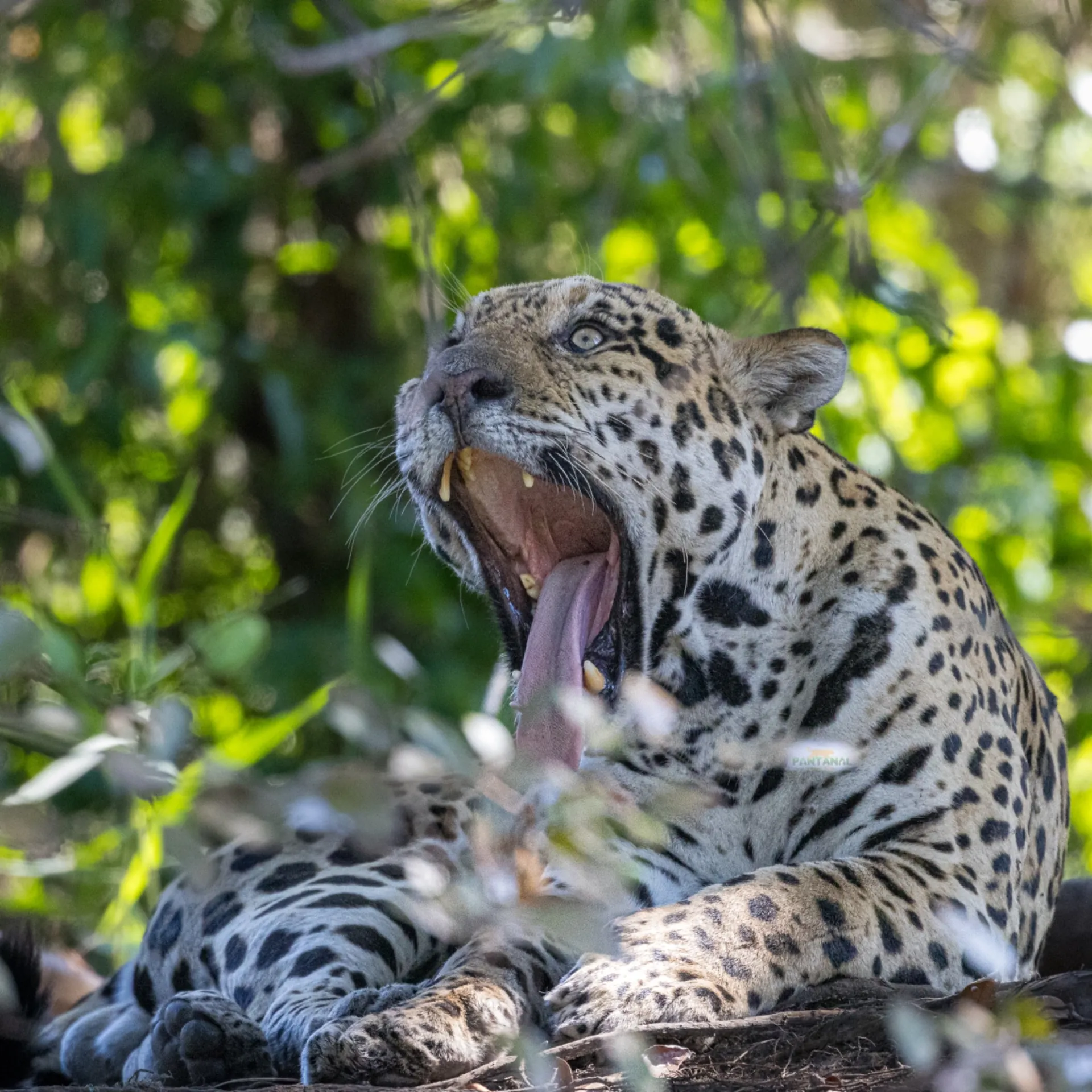
Jaguars are among the most adaptable predators in the Americas. In the Pantanal, a mosaic of rivers, wetlands, forests and seasonally flooded grasslands, their behavior is shaped by water, prey availability and the changing landscape. Learning to read these behaviors can make a wildlife observation more meaningful without turning a wild animal into a performance.
How jaguars hunt
The jaguar (Panthera onca) is an opportunistic hunter with a varied diet. Depending on the habitat and opportunity, it may take mammals such as capybaras, peccaries and deer, as well as reptiles and fish. Its compact, powerful build and strong jaws allow it to tackle prey in both terrestrial and aquatic environments.
Jaguars often rely on concealment and a short, explosive attack rather than a prolonged chase. A jaguar may approach through vegetation, wait beside a trail or use the cover of a riverbank before moving quickly. The species is also a capable swimmer, and individuals in the Pantanal may enter the water while traveling, cooling themselves or pursuing prey. Encounters with caimans are part of the natural predator-prey relationships documented in the region, but they are not something visitors should expect on every outing.
Wild animals live freely in their natural habitat, so sightings can never be guaranteed. The itinerary is designed to maximize observation opportunities according to the region, season and number of safari days.
Territory and communication
Jaguars are generally solitary outside mating and the period when a mother is raising cubs. Individuals use space in different ways, and neighboring home ranges may overlap, especially where food and water are concentrated. Scrape marks, claw marks, scent marking and vocalizations can all communicate presence or territorial information.
Territory size is not fixed. It varies with sex, habitat, prey density, water conditions and the presence of other jaguars. This is why a single number cannot describe every jaguar’s range in the Pantanal. Rather than looking for a specific distance, guides and researchers interpret tracks, marks, calls and repeated sightings as clues to how an individual uses its environment.
Solitary adults and family life
Adult jaguars usually travel alone, but solitude does not mean that they are disconnected from other individuals. Males and females may come together for mating, and a mother remains with her cubs while they develop the skills needed to move and hunt independently. Cubs are vulnerable, so a female chooses shelter carefully and may change locations as conditions require.
Observing a mother and cubs requires particular care. Boats and vehicles should keep a respectful distance, avoid blocking an animal’s route and follow local wildlife-watching rules. The welfare of the animals comes before a photograph or a close view.
Why the Pantanal offers distinctive observations
The Pantanal is not a single uniform habitat. The Northern Pantanal and Southern Pantanal differ in landscape, access and seasonal conditions. Rivers and open banks can make an animal easier to observe than it would be in dense forest, while flooded areas, vegetation and changing water levels can also alter where wildlife travels.
In some areas, boat-based exploration provides views of riverbanks and channels; in others, walking or vehicle routes offer a different perspective. A jaguar wildlife guide can help explain tracks, behavior and ethical observation practices. For travelers focused on images, the wildlife photography page offers related planning context, while jaguar safari packages describe one possible way to organize a trip. Routes, seasons and conditions vary, so travelers should confirm the details of their itinerary before departure.
Watching behavior responsibly
Patience is more useful than expectation. A jaguar may rest, disappear into vegetation, cross a channel or remain still for a long time. Quiet observation helps reduce disturbance and gives visitors a better chance to notice natural movement, posture and interactions. Never call, feed or pursue an animal, and follow the instructions of qualified local guides and protected-area authorities.
To discuss a responsible itinerary, contact the Pantanal Brazil team. A well-planned visit respects the jaguar’s freedom while helping travelers understand the remarkable behaviors that make the Pantanal such an important habitat.